

The company incorporation process in Saudi Arabia involves coordination with key government authorities, primarily the Ministry of Investment of Saudi Arabia (MISA) and the Ministry of Commerce (MoC). These authorities manage investment licensing, commercial registration, and business approvals. Additional permissions may be required from municipal bodies or sector-specific regulators depending on the nature of your business activity.
Most companies in Saudi Arabia complete the incorporation process within two to six weeks. The timeline depends on business structure, industry requirements, licensing procedures, document preparation, and approval processes. Service-based companies may complete setup faster, while regulated sectors may require additional reviews and compliance checks.
Select the right company structure based on your business activity, ownership requirements, investment goals, and operational plans in Saudi Arabia.
Foreign investors must obtain approval from the Ministry of Investment of Saudi Arabia before proceeding with company registration.
Reserve an approved company name and prepare required documents, including Articles of Association and shareholder information, for submission.
Complete commercial registration with the Ministry of Commerce to officially establish your business entity in Saudi Arabia.
Establish a business bank account, complete compliance procedures, and deposit required capital according to your company structure.
Register with ZATCA and obtain any additional permits required for your business activities and regulatory obligations.
Complete immigration procedures and employee registrations required for hiring staff and managing workforce operations in Saudi Arabia.
Opening a corporate bank account is an essential step after completing company registration in Saudi Arabia. Businesses must obtain their Commercial Registration (CR) and investment licence before applying. Banks typically require Articles of Association, board resolutions, shareholder documents, and identity verification. Certain sectors may also require minimum capital deposits before account activation.
Saudi banks follow strict Know Your Customer (KYC) standards under the supervision of the Saudi Central Bank (SAMA). Businesses must provide authenticated documents, ownership details, and information about ultimate beneficial owners. Companies may also need to demonstrate sufficient capital availability depending on their business structure and licensing requirements.

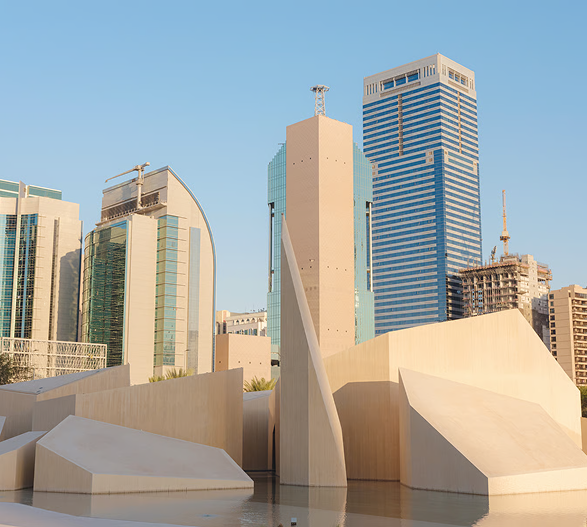
Saudi Arabia acts as a vital connection point between Asia, Europe, and Africa, making it a strategic hub for international trade and investment. As a member of the GCC, businesses gain access to a regional market of more than 50 million consumers. Advanced infrastructure projects, logistics networks, and port developments continue to strengthen global connectivity and supply chain efficiency.
Saudi Arabia’s Vision 2030 strategy is transforming the Kingdom into a diversified, innovation-driven economy. Government reforms have introduced investor-friendly regulations, improved legal protections, expanded business opportunities, and created incentives across sectors such as technology, tourism, fintech, renewable energy, and manufacturing. These initiatives continue to attract international companies seeking sustainable growth opportunities.
Foreign investors can fully own companies in most sectors without requiring a local partner under updated investment regulations.
Digital government services and simplified procedures help businesses complete registration efficiently and reduce administrative delays.
Modern regulations and investor protections create confidence for international companies operating in Saudi Arabia.
Businesses benefit from investment programs, grants, and initiatives supporting private sector development and innovation.
Saudi Arabia provides access to Gulf markets and international trade routes across three continents.
Competitive corporate taxation and clear compliance requirements support efficient financial planning for foreign businesses.
Understanding licensing requirements, government procedures, and sector-specific approvals requires careful planning and professional guidance.
Adapting to relationship-driven business practices and local customs helps build trust with Saudi partners.
Certain industries may require finding qualified professionals with specific technical expertise and local market knowledge.
Businesses should evaluate licensing, office, staffing, and operational costs before entering specific sectors.
Foreign companies must manage corporate tax, VAT, withholding tax, and reporting requirements correctly.
Managing residency requirements, employee visas, and operational arrangements can require detailed preparation.

Saudi Arabia is the largest economy in the Middle East and among the world’s top economies, with GDP exceeding USD 1 trillion. The country is expanding beyond oil through investments in tourism, technology, logistics, renewable energy, and innovation. With a young population of more than 36 million people and over 60% under the age of 35, Saudi Arabia provides businesses with access to a growing workforce and consumer market.
Saudi Arabia provides a structured tax environment for international businesses. Foreign-owned companies are generally subject to a 20% corporate income tax, while Saudi and GCC nationals are subject to Zakat obligations. A 15% VAT applies to most goods and services. The Kingdom’s legal framework combines civil law principles with Islamic Sharia and continues to evolve through reforms that improve investment protection, registration procedures, and dispute resolution.
Foreign-owned companies in Saudi Arabia are generally subject to a 20% corporate income tax on taxable profits. Saudi and GCC-owned entities are subject to Zakat, calculated according to applicable regulations. Businesses must also comply with 15% VAT requirements, including registration, invoicing, and periodic filing obligations where applicable.
Companies must register with the Zakat, Tax and Customs Authority (ZATCA) after receiving commercial registration. Businesses may also need to manage withholding tax obligations on certain foreign payments. Employers must follow Saudi labor regulations, including payroll requirements, social insurance contributions, and employee benefit obligations.


Business culture in Saudi Arabia is built around trust, relationships, and mutual respect. Initial meetings often focus on building personal connections before discussing commercial matters. Decision-making typically follows a hierarchical structure, with senior stakeholders playing an important role. Demonstrating patience, professionalism, and cultural understanding helps businesses create stronger long-term partnerships.
Entering the Saudi market requires more than understanding registration procedures. Businesses must align with local regulations, labor requirements, and industry-specific obligations. Experienced advisors help companies navigate legal expectations, avoid operational challenges, and maintain compliance while focusing on market growth and expansion opportunities.
Our specialists manage the complete company registration process in Saudi Arabia, including investment licensing, trade name reservation, Articles of Association preparation, and coordination with relevant authorities. We help businesses select the right structure, complete documentation accurately, and navigate regulatory procedures efficiently to establish a compliant and successful presence in the Kingdom.
We assist businesses with corporate banking, tax registration, regulatory compliance, visa procedures, and ongoing operational requirements. From coordinating with authorities to managing administrative processes, C2Z Advisory provides practical solutions that reduce complexity, minimise delays, and help international companies build a strong foundation for growth in Saudi Arabia.

Yes. Saudi Arabia allows 100% foreign ownership in most sectors under updated investment regulations. However, specific requirements may vary depending on business activity, licensing category, and applicable government approvals.
The Ministry of Investment of Saudi Arabia (MISA) is responsible for supporting and regulating foreign investment. Foreign investors typically require MISA approval before establishing a company in the Kingdom.
Most companies can complete incorporation within two to six weeks. The timeline depends on business structure, sector requirements, documentation preparation, and approval processes from relevant authorities.
Capital requirements depend on the selected company structure, business activity, and licensing category. Certain sectors may require minimum capital deposits before operations can begin.
Foreign-owned companies are generally subject to 20% corporate income tax, while Saudi and GCC entities may be subject to Zakat. A 15% VAT applies to most goods and services.

Let C2Z Advisory guide your next international move with experience, structure, and commitment.