
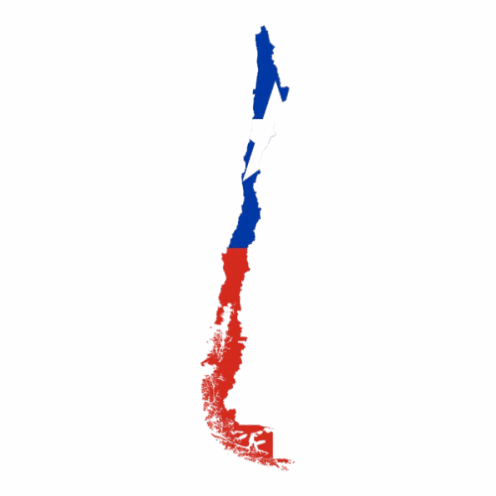
The incorporation process is managed through government-approved digital portals. Key documentation includes identification of shareholders, proposed company name, corporate purpose, and legal representative details.
Foreign founders will also need notarized translations and, in some cases, apostilled documents for validation.
For standard private limited companies such as the Sociedad por Acciones (SpA), the process can be completed in under a week. More complex structures or cases involving foreign entities may require additional review time.Online registration eliminates many of the traditional bureaucratic hurdles, streamlining the entire business incorporation process in Chile.
The SpA (Sociedad por Acciones) is the most flexible legal structure in Chile. It allows for one or more shareholders and provides limited liability, making it ideal for startups and foreign-owned businesses.
This official government platform enables digital incorporation with electronic signatures. You can draft bylaws, define ownership structure, and register your company without visiting a notary.
The RUT (Rol Único Tributario) is mandatory for all commercial activities. It's issued by the SII and is required to invoice, open a bank account, and register for taxes.
You must register your business with the municipality where your operations will take place. This includes paying the annual municipal license tax, based on your company’s estimated revenue.
With your company incorporated and RUT obtained, you can apply for a corporate bank account. Be prepared to provide notarized documents and comply with KYC (Know Your Customer) protocols.
All registered businesses in Chile must use electronic invoicing, integrated with the SII system. This includes issuing digital receipts and submitting monthly VAT and income declarations.
If you plan to hire staff, you’ll need to register with Chile’s social security system. This involves enrolling in pension, health, and unemployment insurance programs, with employer contributions calculated monthly.
To open a corporate bank account, companies must provide notarized incorporation documents, RUT (tax ID), and a clear ownership structure. Most banks require a physical presence in Chile or a local representative to complete onboarding.
The due diligence process often includes background checks on directors and beneficial owners, as part of the country's anti-money laundering regulations.
The RUT (Rol Único Tributario) is essential for all legal and tax-related activity in Chile. It must be obtained before engaging in contracts, issuing invoices, or registering with government entities.Founders must also prepare for comprehensive documentation reviews, which may involve certified translations, notarization, and international validation of foreign documents.


Chile’s judiciary is known for its independence and reliability, ensuring that commercial disputes are resolved fairly and efficiently.The legal system is built to protect property rights, enforce contracts, and ensure regulatory predictability, all essential for business planning and foreign investment.With straightforward compliance requirements, Chile reduces the bureaucratic burden, allowing business owners to focus on growth, not red tape.
Chile’s location gives companies direct access to Asia-Pacific markets through major ports and shipping routes across the Pacific Ocean.As a founding member of the Pacific Alliance, Chile offers businesses preferential trade terms across key Latin American economies including Mexico, Colombia, and Peru.Its global outlook and integration with international markets provide a competitive edge for companies looking to scale regionally and beyond.
Chile offers a modern and transparent legal system that treats foreign investors and local entrepreneurs equally.
The country has clear guidelines for private limited company registration, minimizing delays and uncertainty during the incorporation process.
Chile has signed free trade agreements with over 60 countries, including the United States, China, and the European Union.
This provides businesses with tariff-free access to some of the world’s largest consumer markets and strengthens their global supply chain position.
The steps to register a company in Chile are straightforward and increasingly digital. With the online company registration platform, it's possible to create a company in just a few days, cutting through traditional bureaucracy and accelerating market entry.
Chile has an extensive network of double taxation agreements, helping reduce tax liabilities for international companies. In addition, the government offers investment incentives in certain sectors, particularly for innovation, tech, and sustainable development projects.
As one of the most stable countries in Latin America, Chile provides a low-risk environment for business operations. Its stable macroeconomic indicators and commitment to international law create a secure foundation for long-term investment.
With a 96% literacy rate and a growing number of bilingual professionals, Chile offers access to a qualified talent pool. Labor costs remain competitive compared to North America and Europe, providing companies with both quality and cost-efficiency.
Incorporating in Chile isn’t just about entering a single country. It’s a strategic move to establish a regional base with global potential.
Understanding the local legal framework is crucial, especially for those unfamiliar with Chilean corporate law. Key areas like company bylaws, shareholder agreements, and tax obligations require expert handling to avoid costly errors.
While many professionals speak English, most official documents and procedures are in Spanish. Cultural nuances in business etiquette and communication can also impact negotiations, hiring, and relationship-building.
Although Chile offers a relatively streamlined system, foreign founders often struggle with procedural details, especially around tax ID registration, notarization, and digital signatures. Missteps here can delay new company registration.
Banks in Chile require extensive documentation and due diligence, often including in-person visits. Without local guidance, founders may face delays in accessing financial services, which can stall early operations.
Chile’s tax system involves monthly and annual declarations, and the rules differ for resident and non-resident companies. Understanding VAT, employee taxes, and the use of electronic invoicing systems is essential for staying compliant.
Many founders underestimate the real costs, which may include legal fees, translations, notary services, and regulatory filings. Budgeting accurately from the start helps avoid cash flow surprises during early growth phases.
Despite these challenges, the right local support transforms obstacles into opportunities, enabling founders to build a strong, scalable presence in Chile.

Chile stands out in Latin America for its economic stability, pro-business climate, and efficient bureaucracy. Foreign investors benefit from clear regulations, strong institutions, and access to global marketsThe country consistently ranks high in regional indices for ease of doing business, innovation, and transparency, making it an ideal destination for international expansion.
Chile has one of the highest Gross Domestic Product (GDP) per capita rates in South America, supported by robust exports, especially in mining, agriculture, and services. It maintains low inflation, a flexible monetary policy, and a government committed to macroeconomic responsibility. With over 30 trade agreements in force, Chile offers access to over 4.3 billion consumers worldwide, reinforcing its position as a strategic business hub.
Chile’s tax system is transparent, with a corporate income tax rate of approximately 27%, competitive compared to other OECD countries. The country has signed numerous double taxation treaties, helping foreign investors avoid being taxed twice on the same income. Legal procedures for private limited company registration in Chile are streamlined, and foreign investors enjoy the same rights and protections as local entrepreneurs.
The standard corporate tax rate is 25% to 27%, depending on the tax regime. Value-added tax (VAT) is charged at 19% and applies to most goods and services.
Employers are responsible for payroll contributions, which include social security, health insurance, and unemployment insurance. These add up to roughly 30% on top of gross salaries.
Once registered with the SII, companies must issue electronic invoices and submit monthly tax declarations, even if no revenue has been generated. Delays or errors in filing can trigger penalties.
Chile's tax system is highly digitalized, requiring businesses to stay updated with software integrations and local compliance updates.


Chilean business culture is professional, punctual, and structured. Meetings typically follow formal protocols, and decision-making often involves multiple stakeholders, especially in larger organizations. Building trust through consistency and clarity is essential when forming long-term partnerships.
While Chileans are open to foreign investors, they expect well-prepared proposals, accurate documentation, and clear value propositions. Demonstrating respect for local customs and business etiquette can go a long way in establishing credibility
Chile places a high emphasis on legal compliance and tax accuracy. Authorities like the SII (Internal Revenue Service) conduct regular audits, so maintaining precise records and meeting deadlines is non-negotiable.
Foreign founders should prioritize correct corporate structuring, timely tax filings, and proper invoicing practices. Small errors can result in fines or delays, particularly during the early growth stages.

Yes, foreigners can fully own and control a business in Chile. There are no legal restrictions on foreign ownership, whether for individuals or corporations. This open policy makes Chile an attractive destination for international investors.
Foreign entrepreneurs can own 100% of the shares, serve as directors, and manage operations. However, having a local representative with a Chilean tax ID is required for certain legal procedures.
The fastest route is through Empresa en un Día, an online government platform designed to streamline the process. Incorporation can be completed in as little as 24 to 48 hours, depending on the complexity of the structure.
This system allows entrepreneurs to create legal entities using standardized templates, avoiding notary and registry delays. However, it may not suit companies with custom shareholder agreements or complex governance needs.
A SpA (Sociedad por Acciones) is a flexible corporate structure widely used by startups, investors, and foreign companies entering the Chilean market. It allows for single or multiple shareholders, and ownership can be easily transferred.
SpAs are favored because they limit liability, support foreign ownership, and offer simplified governance. They also enable raising capital through the issuance of new shares without altering the existing structure.
Incorporating a company in Chile can take from 1 to 10 business days, depending on the method chosen. Using Empresa en un Día speeds up the process, while traditional methods involving notaries and public registries take longer.
Delays may occur if foreign documents need translation or apostilles, or if there are custom governance terms that require legal review. Proper planning helps reduce these timelines significantly.
Chilean companies are subject to a corporate income tax known as Impuesto de Primera Categoría, currently set at 25% to 27%, depending on the tax regime chosen. Profits distributed to shareholders are also subject to additional taxes.
Companies must also handle VAT (19%), municipal licenses, and withholding taxes on payments abroad. Choosing the right tax structure and getting local accounting advice is essential for compliance and optimization.

Let C2Z Advisory guide your next international move with cross-border expertise, practical execution and personalised support.
We specialize in company formation, bank account opening, tax and accounting compliance, and regulatory advisory across 80+ countries.
Our typical client is a sophisticated businessperson or corporate executive responsible for managing entities across multiple jurisdictions. These clients often have complex international structures and limited time to devote to the day-to-day administrative and compliance tasks. They value a centralized approach and seek to avoid dealing with multiple contacts or receiving fragmented instructions from different providers. By working with C2Z Advisory, they benefit from a single point of contact, extended global knowledge and coordinated support that simplifies their global operations.
No, maintaining physical offices in each location is not a cost-effective solution. C2Z Advisory strategic model allows us to offer cost-effective solutions to our clients without compromising on quality. In today’s digital world, the vast majority of our work is conducted remotely, so we work with our long-lasting trusted local partners to be our boots on-the-ground wherever needed—without the overhead of permanent offices.
Contact us for a free consultation. We’ll assess your needs, propose suitable structures, and send a step-by-step proposal.